
The prospects of the traditional Chinese medicine market from 2025 to 2030: The traditional Chinese medicine industry is facing a historic development opportunity. Driven by policy support, consumption upgrading, and technological innovation, the market size continues to expand and the industrial structure is accelerating optimization. According to industry forecasts, the size of China’s traditional Chinese medicine market is expected to reach 500 billion yuan by 2025,
and is expected to exceed 800 billion yuan by 2030, with an average annual compound growth rate of 8% -10%, far higher than the average growth rate of the global pharmaceutical market. This growth trend is mainly driven by three major factors,
Policy dividends continue to be released: The National Administration of Traditional Chinese Medicine plans to promote the “Authentic Medicinal Material Protection Area Project” between 2025 and 2030, designate 50 core production areas nationwide, implement “one product, one policy” precise management, and is expected to increase the supply of high-quality medicinal materials by 40%; At the same time, through the “Chinese Medicine Overseas Accelerator Program”,
30 overseas GACP certification bases will be established to promote the entry of 15 varieties such as ginseng and astragalus into the European Pharmacopoeia. The comprehensive implementation of the Good Agricultural Practice (GAP) for the production quality management of traditional Chinese medicinal materials will further standardize the planting process and raise the industry’s entry threshold
Diversified expansion of consumer demand: With the intensification of population aging and the improvement of health awareness, the consumer group of traditional Chinese medicine continues to expand. By 2025, the proportion of people aged 60 and above in China will exceed 20%, and the elderly population’s dependence on traditional Chinese medicine will be
significantly higher than other age groups. At the same time, young consumer groups are reconstructing their understanding of traditional Chinese medicine. In 2024, the sales of instant ass
hide glue, fresh stewed dendrobium and other con
venient products will increase by 182% year on year. It is estimated that the market size of this segment will reach 68 billion yuan in 2030. The proportion of medicinal and edible products will increase from 28% in 2024 to 45% in 2030, and the application scenarios of traditional Chinese medicinal materials will rapidly expand from traditional medicine to functional foods, beauty and skincare, daily health and other fields
Technological innovation reshapes the industrial ecosystem: Artificial intelligence, blockchain, and biosynthetic technologies are rewriting industry rules. The “Digital Medicine Field” system jointly developed by Yunnan Baiyao and Huawei has increased the survival rate of Sanqi intercropping from 30% to 85%; The coverage of blockchain traceability will exceed 90% by 2027,
achieving the full chain data from seeds to decoction pieces on chain. A more revolutionary change comes from synthetic biology – Kaisai Biotechnology has achieved mass production of high-purity paclitaxel in cell factories, reducing costs by 68% compared to traditional cultivation methods. This technological breakthrough will greatly alleviate the resource pressure of rare medicinal materials.

Table: Forecast of Traditional Chinese Medicine Market Size from 2025 to 2030
Year Market Size (in billions of yuan) Annual Growth Rate Main Growth Drivers
2025 5000 9.2% policy implementation, consumption recovery
2027 6200 8.5% internationalization breakthrough, technology popularization
2030 8000+8.0% health industry integration, globally recognized
Intergenerational cognitive differences and consumption changes
The consumption cognition of traditional Chinese medicine is undergoing profound intergenerational changes, and there are significant differences in the value judgments and consumption behaviors of different age groups towards traditional Chinese medicine. These differences are reshaping the product structure and marketing strategies of the entire industry. The traditional middle-aged and elderly consumer group maintains a high level of trust and dependence on traditional Chinese medicinal materials, viewing them as an important component of health management. According to research data in 2024, 23.21% of consumers purchase traditional Chinese medicine for the treatment of digestive system diseases, 15.75% for metabolic and
endocrine system diseases, and 7.63% and 7.47% for respiratory and orthopedic diseases, respectively. This group is particularly concerned about the authenticity and traditional efficacy of medicinal herbs, and their purchasing decisions are greatly influenced by brand reputation and doctor recommendations. Under the trend of aging, the demand for compound traditional Chinese medicine and tonifying medicinal materials (such as Huangqi, Danggui, and Goji) for chronic disease management continues to grow, driving the prices of related varieties steadily up.
Generation Z’s understanding of traditional Chinese medicine is undergoing a revolutionary transformation, shifting from the traditional image of “bitter medicine” to “fashionable and healthy solutions”. This transformation is mainly reflected in three directions:
Convenient product form: Instant and beverage based traditional Chinese medicine products are highly sought after by young consumers. In 2024, the sales of ready to eat ass hide glue, fresh stewed dendrobium and other categories will increase by 182% year on year, and the market scale is expected to reach 68 billion yuan in 2030. New retail brands such as Tongrentang’s “Zhima Health” have integrated traditional medicinal herbs such as goji berries and ginseng into coffee and tea drinks, creating a new consumer scene.
Functional demand segmentation: Young consumers extend their basic needs of “enhancing immunity” to precise scenarios such as “anti anxiety”, “sleep aid”, and “liver protection”. Jujube seed extract has become a new favorite among urban white-collar workers due to its sleep aid effect, with a terminal price exceeding 1000 yuan/kg in 2023; Ganoderma spore oil is popular in the high-end health product market due to its immunomodulatory function. According to iiMedia research, over 35% of consumers aged 25-35 choose individual Chinese medicinal herbs based on specific health issues, rather than following traditional compatibility theories.
Cultural value rediscovery: The Eastern philosophy and health culture carried by traditional Chinese medicine are attracting more and more young consumers. The new retail models that integrate traditional culture with modern consumer experience, such as Tongrentang Zhima Health and Lei Yun Shanggao Fang Customization, have increased the unit price by 3-5 times. In Congjiang, Guizhou, experiencing the local ethnic characteristic medicinal bath – Yao bath has become a must visit for tourists, and traditional Chinese medicine cultural tourism has become a new carrier for spreading culture.

Table: Comparison of Consumption Characteristics of Traditional Chinese Medicine among Different Age Groups
Consumer Characteristics: Post-60s/70s, 80s, 90s/00s
Core demands include disease treatment, chronic disease management, sub-health regulation, precise family health functions, and convenient experience
Products prefer traditional decoction pieces, compound traditional Chinese patent medicines and simple preparations, instant cream products, functional food
Decision factors include doctor recommendations, authentic brand reputation, efficacy verification, ingredient transparency, and user experience
Typical products: Angelica sinensis, Codonopsis pilosula, Panax notoginseng ass hide glue cake, health tea stewed Dendrobium nobile, wild jujube jelly
Faced with the long-standing pain points of uneven quality, scarce resources, and price fluctuations in the traditional Chinese medicine industry, modern technology is providing systematic solutions to promote the industry’s transformation towards standardization, digitization, and sustainability.
The integration of the Internet of Things, artificial intelligence, and modern agricultural technology is changing the traditional planting model that relies on the weather for survival
Environmental intelligent monitoring: Real time monitoring and precise control of the planting environment are achieved through soil sensors, drone monitoring, and meteorological data analysis. The “Digital Medicine Field” system jointly developed by Yunnan Baiyao and Huawei has increased the survival rate of continuous cultivation of Panax notoginseng from 30% to 85%, solving the global problem of continuous cropping obstacles for medicinal herbs.
Planting decision optimization: A planting model based on historical data and machine learning algorithms can predict the optimal sowing, fertilization, and harvesting time points. The traditional proverb ‘Artemisia scoparia in March and Artemisia scoparia in April, harvested as firewood in May’ has now been transformed into precise phenological data models to ensure that medicinal herbs are harvested at the most suitable time.
Authentic scientific analysis: Modern research is revealing the microscopic origins of authentic medicinal herbs. Research has confirmed that the content of catalpol in Rehmannia glutinosa can reach 0.81% in the production area of Wuzhi, Henan, while the content in Xianju, Zhejiang is only 0.001%, a difference of 800 times. These findings provide a basis for the scientific delineation of authentic medicinal herb protection areas and assist in the precise implementation of policies.

In the fields of processing and circulation, technological innovation is focusing on solving industry problems such as adulteration, pesticide residues, and traceability
Blockchain full traceability: Shanghai, Beijing and other cities have taken the lead in implementing traditional Chinese medicine decoction piece traceability systems. Consumers can scan the drug QR code to query the full process information such as product batch number, place of origin, and production enterprise. It is expected that by 2027, the coverage of blockchain traceability will exceed 90%, achieving the full chain data from seeds to decoction pieces on chain.
AI quality inspection: The application of artificial intelligence image recognition technology in the identification of the authenticity of traditional Chinese medicine greatly improves the efficiency and accuracy of detection. In response to the frequent issue of adulteration in the sour jujube kernel market (commonly using dyed beans and dried jujube kernels to impersonate genuine products), AI systems can achieve second level identification based on morphology, texture, and microscopic features, with an accuracy rate of over 99%.
Green processing technology: Traditional sulfur fumigation and other controversial processes are being replaced by modern drying technology. Technologies such as vacuum freeze-drying and low-temperature airflow drying not only retain effective ingredients, but also solve the problems of mold and insect infestation during the storage of traditional Chinese medicinal materials, while avoiding residual sulfur dioxide.
Faced with the depletion of wild resources and the tight supply of rare medicinal herbs, technological progress has opened up new paths:
Industrialization of biosynthesis: Kaisai Biotechnology has achieved mass production of high-purity paclitaxel in cell factories, reducing costs by 68% compared to traditional planting methods. This technological breakthrough provides the possibility for large-scale production of rare medicinal herbs, and is expected to solve the fundamental contradiction between resource conservation and clinical needs.
Ecological planting under forests: In areas such as Congjiang in Guizhou, medicinal herbs such as hooked vines are planted using a “no competition with humans for food, no competition with food for land” planting model. Ecological cultivation is carried out on mountain slopes, terraced fields, and roadsides, which not only preserves soil and water but also increases farmers’ income. The local hooked vine planting area exceeds 8000 acres, with an annual output value of about 7 million yuan and an average household income increase of 7000 yuan.
Germplasm resource protection: In response to the problem of variety degradation, the construction of a national level germplasm resource bank for traditional Chinese medicine is accelerating, and the genetic resources of authentic medicinal materials are protected through technologies such as low-temperature preservation and in vitro cultivation. Simultaneously conducting research on variety purification and rejuvenation to address the issue of germplasm degradation caused by excessive pursuit of yield.
The traditional Chinese medicine market is experiencing significant price differentiation, with different categories showing vastly different price trends due to differences in supply and demand, resource scarcity, and capital intervention. This differentiation is particularly evident in 2024-2025.

According to monitoring data in February 2025, among 1445 specifications of traditional Chinese medicine materials, 93.4% of them remained stable in price (1349 specifications), with only 1.5% (22 specifications) experiencing price increases and 5.1% (74 specifications) experiencing price decreases. The year-on-year analysis further confirms this trend: 69.9% of the specifications have stable prices (1010), 9.9% (143) have increased prices, and 20.2% (292) have decreased prices. This data indicates that:
The prices of bulk medicinal herbs are stabilizing: the price fluctuations of varieties such as licorice and poria cocos, which have relatively sufficient supply, have narrowed, and the market has entered a period of rational adjustment. According to feedback from wheat winter growers in Xiangyang, Hubei, the price of dry wheat winter will remain stable at around 66 yuan/kg in 2025, a significant decrease from 100 yuan/kg in 2024.
Scarce varieties continue to strengthen: resource-based medicinal materials continue to rise due to rigid supply. The price of natural bezoar has reached 1700 yuan/gram (gold is only 800 yuan/gram), and the annual production of Cordyceps sinensis has decreased by 10% due to the fragility of high-altitude ecology, with prices continuing to break records.
The cooling down of capital speculation varieties: The prices of small varieties such as cat claw grass, which were over hyped in the early stage, have dropped significantly. Cat claw grass experienced a 35 fold surge from 20 yuan/kg to 700 yuan/kg in 2023, but due to the actual annual usage of only 350 tons, the price is difficult to maintain at a high level.
Based on the analysis of supply and demand fundamentals and industry trends, some traditional Chinese medicinal materials may experience significant price increases from 2025 to 2027 due to structural contradictions
Huangjing: Its growth cycle is extremely long (it takes 3 years for stems and leaves, and 5 years for roots and stems to be used as medicine), coupled with the depletion of wild resources and the national ban on harvesting policies, the supply-demand contradiction will further intensify in 2025. There are signs of supply shortages in major production areas such as Chongqing, Hubei, and Sichuan.
Suanzaoren: The surge in demand for calming medicinal herbs and the decrease in wild resources form a dual driving force. The acquisition price will increase from 5 yuan/kg to 35 yuan/kg in 2023, and the terminal selling price once exceeded 1000 yuan/kg. Although there may be a slight decline in the second half of 2024, it remains bullish in the long run. It is worth noting that there is a serious phenomenon of adulteration in the market (testing has found problems such as adulteration of jujube kernels and rouge staining), and the premium space for genuine jujube kernels continues to expand.
Danggui: Traditional medicinal demand is stable, and national policy support and upgrading of health consumption are driving market expansion. The price will increase from 50 yuan/kg to 160 yuan/kg in 2023, and is expected to reach 145 yuan/kg by 2025. However, the planting cycle is as long as 3 years, and major production areas such as Gansu are susceptible to natural disasters, resulting in higher risks of price fluctuations.
Atractylodes macrocephala: Crop rotation is required to limit yield growth, with a price of approximately 30 yuan/kg at the beginning of 2023 and a maximum of 180 yuan/kg by 2024, representing a 15 fold increase. It is expected that the price will stabilize at around 60 yuan/kg by 2025, with significant planting income in Sichuan, Guangxi and other places.
The fluctuation of traditional Chinese medicine prices is due to the interweaving of multiple factors:
The drawbacks of the small-scale farming model on the production side: scattered planting leads to information asymmetry, and the cyclical fluctuations of “more is treasure, less is grass” have become the norm. If the price of honeysuckle in Julu County drops from 120 yuan/kg in 2023 to 80 yuan/kg in 2024, some farmers can only let honeysuckle rot in the ground, and the price may rebound the following year due to reduced planting.
Frequent climate anomalies: In 2024, the production of Angelica sinensis in Gansu province decreased by 23% due to drought, becoming a direct cause of soaring prices. With the intensification of global climate change, such events may become more frequent, pushing up the production risk premium.
Stricter quality supervision: The promotion of GAP (Good Agricultural Practice) certification for traditional Chinese medicine has raised production standards, and the increase in compliance costs has been transmitted to terminal prices. However, it should also be noted that the price difference between high-quality medicinal materials produced in a standardized manner and ordinary medicinal materials has widened. For example, the price of sulfur free roses is more than 30% higher than that of sulfur smoked products.
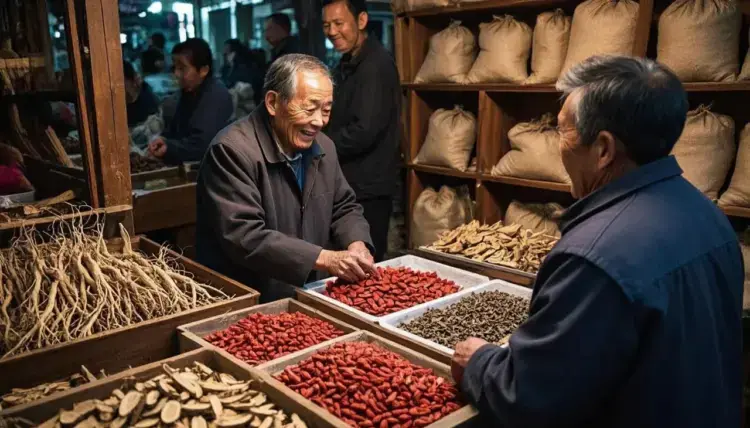
Table: Price Trend Prediction of Key Chinese Medicinal Materials in 2025
Variety 2023 price (yuan/kg) 2024 peak (yuan/kg) 2025 forecast (yuan/kg) Core driving factors
White atractylodes 260 180 170 Rotation restrictions, capital attention
Huangjing 185 180 180+has a long growth cycle and is rare in the wild
Danggui 100+160 145 policy support, rigid demand
Sour jujube kernels 850 (purchase price) 1200 (terminal price) 900 (terminal price) An Shen demand growth, strict control of adulteration
Mai Dong 100 (dry) 130 160 planting area expands and supply increases
They also like: ginseng
The traditional Chinese medicine industry is facing a severe quality trust crisis while developing rapidly. The problems of adulteration, excessive pesticide residues, and loss of authenticity not only affect clinical efficacy, but also threaten the sustainable development of the entire industry. Rebuilding the quality trust system has become an urgent task.
The complexity and systematicity of quality issues in traditional Chinese medicine far exceed general understanding
Adulteration and adulteration are shocking: low-priced dyed beans impersonate sour jujube kernels that cost over 800 yuan per kilogram; Invalid medicinal residues are packaged into genuine medicinal materials for sale through drying or secondary processing; Hubei residents have reported that the sour jujube kernel oral liquid they purchased seems to be of little use after drinking a few boxes. Industry insiders point out that “the sour jujube kernels bought very cheaply through informal channels are mostly adulterated”. In 2023, the national drug inspection found that problems such as excessive levels of carmine and aflatoxin B1 were frequently detected in stir fried jujube kernels. Several well-known pharmaceutical companies were punished for producing substandard jujube kernel slices.
Chaotic authentic labeling: Tianma in the market is generally marketed under the Yunnan Zhaotong Xiaocaoba Tianma brand, while the proportion of genuine Xiaocaoba Tianma is less than 10%. The ambiguous origin labeling provides operational space for counterfeiting inferior products and confusing genuine ones with fake ones. After the cancellation of the place of origin labeling for authentic and traditional Chinese medicinal materials in the Pharmacopoeia, the traditional practice of traditional Chinese medicine practitioners labeling place of origin labels such as “Chuan”, “Yun”, and “Guang” on prescription sheets gradually disappeared, further weakening the concept of authentic
Pesticide abuse and environmental pollution: In a traditional Chinese medicine planting area in a southwestern province, individual farmers must spray pesticides comprehensively every four to five days, using a mixture of four to five pesticides each time. However, the Pharmacopoeia has limited regulations on pesticide residues in traditional Chinese medicinal materials and does not cover the types of pesticides actually used by farmers, resulting in obvious blind spots in regulation.
Faced with a quality crisis, various parties in the industry are building a full chain quality control system:
Construction of a full chain traceability platform: Shanghai, Beijing and other cities have launched the traceability work of traditional Chinese medicine decoction pieces. The Beijing Administration of Traditional Chinese Medicine is exploring the establishment of a comprehensive traceability and quality supervision service platform for traditional Chinese medicine decoction pieces, including 23 decoction piece enterprises, to achieve traceability of more than 130 medicinal herbs and 166 decoction piece varieties. Consumers can obtain key information such as product batch number, place of origin, and manufacturing company by scanning the drug QR code, enhancing market transparency.
Perfection and internationalization of the standard system: Zhao Jianguo, deputy to the National People’s Congress, proposed at the National Two Sessions in 2024 to establish new technologies, new technologies and new standard systems for the identification of authentic Chinese medicinal materials; Simultaneously establish a theoretical, technical, methodological, and standard system for ecological restoration of traditional Chinese medicinal materials. China is actively participating in the formulation of international standards for traditional Chinese medicine and promoting the internationalization process of traditional Chinese medicine. By collaborating with international organizations, establish a unified quality standard system for traditional Chinese medicine and enhance international recognition.
Innovative application of detection technology: In response to the low efficiency of traditional identification methods, new rapid detection technologies continue to emerge. Hyperspectral imaging technology can complete preliminary screening of the authenticity of medicinal materials within 30 seconds; Molecular labeling technology achieves precise source identification through DNA barcoding; The micro recognition system based on artificial intelligence significantly improves the efficiency of adulteration detection.
GAP Base Scale Construction: In order to ensure quality from the source, large pharmaceutical companies are accelerating the layout of GAP bases. As of 2024, a total of 66 traditional Chinese medicine production bases with 51 varieties and 59 enterprises have been certified nationwide. These bases establish a complete production record system to achieve traceability of processes such as environment, soil and water, species, pest control, etc. However, there are about 360 commonly used varieties of bulk Chinese medicinal materials in China, and GAP certification only covers over 50 varieties, so comprehensive promotion still needs time.

Based on the analysis of the current situation and development momentum of the industry, the traditional Chinese medicine industry will undergo profound changes from 2025 to 2030, forming a new competitive pattern and value distribution model. Grasping the following trends is crucial for market participants:
From “agricultural products” to “biological assets”: reshaping the value evaluation system with the concept of ecological planting. Medicinal herbs such as Linxia ginseng, which adopt ecological planting mode, will receive carbon trading income and increase their added value by 2-3 times due to the carbon sequestration effect. The carbon emissions performance of traditional Chinese medicine production enterprises will become an important indicator for investment institutions’ ESG ratings.
From “Chinese specialties” to “global products”: the internationalization of traditional Chinese medicine has entered a new stage. Multinational corporations such as Japan’s Tsumura and Switzerland’s Nestle are accelerating their layout in the traditional Chinese medicine extract market, and are expected to control 30% of the global market share by 2030. Fifteen varieties including ginseng and astragalus are expected to enter the EU Pharmacopoeia, promoting the transformation of export structure from raw materials to high value-added products.
From “experience dependence” to “algorithm driven”: Artificial intelligence completely changes the production mode. The AI planting model controls the quality fluctuation rate of authentic medicinal materials within 5%; A precise supply-demand matching system based on big data reduces market volatility risks; Smart contracts are applied to “contract agriculture” to achieve seamless integration of production and sales.
From “drugs” to “health solutions”: explosive expansion of application scenarios. Traditional Chinese medicine will be deeply integrated into functional food (such as anti anxiety chocolate, liver protection energy bar), medical beauty (ganoderma lucidum anti-aging facial mask, dendrobium repair essence), pet health (herbal pet nutrition) and other emerging fields. In Jiangkou, Guizhou, innovative products such as Poria cocos noodles and Epimedium tea have opened up the market; Chishui freshly squeezed dendrobium juice has become a local specialty drink.
Differentiation strategy is the key to seizing opportunities based on the characteristics of different market entities
Planting end: Adopting a “geographical hedging” strategy, laying out climate stable areas such as Inner Mongolia and Xinjiang outside of major production areas such as Yunnan and Gansu, to reduce climate risks in single production areas. Develop an “order based production” model, establish long-term contractual relationships with pharmaceutical companies and e-commerce platforms, and avoid the “too much is grass” dilemma caused by blind expansion. Pay attention to new models such as agroforestry and ecological planting, and increase the unit land output value while obtaining carbon sequestration benefits.(Related articles website)
Processing and distribution enterprises: Implement the “standard pre positioning” strategy, establish a dual quality management system in advance according to the requirements of the EU EMA and the US FDA, and lay the foundation for international layout. Invest in a blockchain traceability system to achieve full process transparency from planting to consumer terminals, and obtain premium through quality credibility. Develop a product line that combines medicine and food to meet the health needs of young consumers.
Investment institution: Focusing on technology driven enterprises, paying attention to the application of synthetic biology in the mass production of rare medicinal materials (such as paclitaxel biosynthesis) and the commercial prospects of AI quality control systems. Seize the opportunity of industrial integration and participate in the construction of regional authentic medicinal herb platforms. Carefully evaluate the risks of speculation in small varieties and prioritize selecting varieties with rigid demand and scarce resources (such as Huangjing and high-quality ginseng).
Policy makers: Accelerate the legislation of authentic medicinal herb protection areas and establish a “one product, one policy” protection mechanism. Establish a climate risk fund for traditional Chinese medicine and provide natural disaster insurance for growers. Promote the construction of the “Chinese Herbal Medicine Industry College”, cultivate compound talents who understand both planting and digital technology, and solve the problems of aging employees (average age of 53) and talent gap.
The underlying logic of industrial transformation: When the post-90s generation began to replace coffee with goji berry pulp, and when Silicon Valley elites adopted ginseng bases through NFTs, traditional Chinese medicine has broken through the traditional framework and become a health code connecting the past and the future. This silent industrial revolution is essentially a deep dialogue between Chinese civilization and modern technology.The next five years will be a critical window period for the transformation and upgrading of the traditional Chinese medicine industry. Under the synergistic drive of policy, technology, and consumption upgrading, the industry will undergo deep integration and value reconstruction. Only market entities that possess both strategic determination and innovative spirit can gain an advantage in the competition for the 800 billion market. Industry participants need to go beyond short-term price fluctuations and return to the essence of value – empowering tradition with technology, rebuilding trust with quality, and exploring boundaries with innovation, jointly writing a chapter in the inheritance and innovation of traditional Chinese medicine.

